I Had No Idea My Mornings Were Ruining My Sleep
For a long time, I thought I was doing everything right.
I went to bed at a set time, avoided coffee at night, and protected my eyes from blue light.
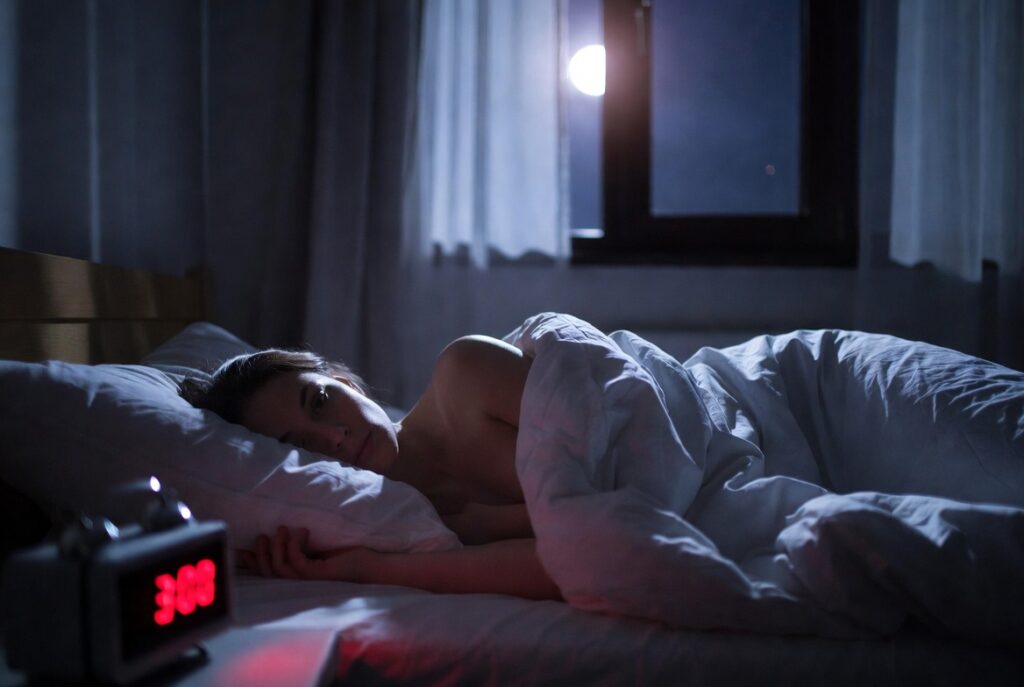
But I still woke up every morning feeling tired. My eyes were heavy, my brain was sluggish, and I felt completely exhausted despite eight hours of sleep. It didn’t make sense.
Then I discovered something that literally changed my entire life.
The reason wasn’t my nights, but my mornings. Specifically, I was starting my day indoors under artificial lights, without getting a single minute of natural sunlight.
The one thing that has been quietly disturbing my sleep for a long time
Your Body Has an Internal Clock
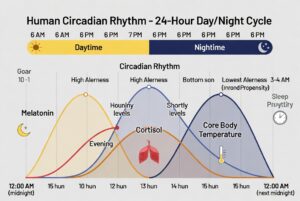
Most people have heard of the term “circadian rhythm,” but don’t think much about it. Simply put, it’s your body clock that runs on a 24-hour cycle. It controls your sleep, wakefulness, energy, and fatigue.
The most important thing that keeps this clock ticking is natural light, especially sunlight.
When your eyes are exposed to natural sunlight in the morning, your brain gets a clear message that “the day has begun, wake up.” As soon as it gets dark in the evening, your brain starts preparing for sleep.
When this system is working properly, sleep comes naturally and deeply, and you wake up feeling refreshed.
But when this system malfunctions, everything goes wrong: daytime fatigue, nighttime awakenings, and waking up tired even after eight hours of sleep.
Your body clock just gets confused about what time it really is.
What Does Sunlight Do to Your Brain in the Morning?
When natural sunlight hits your eyes after you wake up, two important things happen in your body.
First: Your brain immediately stops producing melatonin. Melatonin is the hormone that makes you feel sleepy and tired.
Morning light is the most powerful signal to turn it off.
If this light is not available, melatonin continues to be produced for a long time, which is why many people continue to feel groggy, sluggish, and half-asleep for hours after waking up.
Second: Your body’s natural timer is set. About 12 to 14 hours after getting morning sunlight, your brain automatically starts producing melatonin again. The result is that you get real sleep at the right time at night, it becomes easier to fall asleep, and your sleep is deep and refreshing.
This is not magic or a hack, but nature designed your body that way. Morning sunlight is the key to this whole system.

Why SO Many People Are Always Tired
Think about what your average morning is like.
You wake up, check your phone in bed, go to the kitchen, make coffee under the overhead light, then sit down at the table, and all of this happens indoors, without a moment of natural sunlight.
The real problem is that indoor light seems bright to us, but it’s actually incredibly weak compared to sunlight. The lights in a typical room provide only 200 to 500 lux, while outside on a typical morning (even if it’s cloudy) can be 10,000 lux or more.
Your brain senses this huge difference right away, even if you don’t realize it. It doesn’t get the strong signal it needs to wake up and start the day. The result? Your internal clock starts to run slower.
Over the weeks and months, the problem worsens, and your sleep gets worse and worse without you knowing what the real cause is.
This is the most common and most overlooked cause of sleep problems today. It’s not complicated, but it’s rarely talked about.
(If you’re still tired after 8 hours, read this guide)
Evening Screen Use is Compounding the Problem
When I first learned about it, it was a big surprise to me.
The blue light from phone and laptop screens is very similar to morning sunlight. The brain cannot differentiate between the two. So, lying in bed at 11 pm and looking at a screen makes the brain think that it is still day, which stops the production of melatonin (the sleep hormone).
The result is that you do not feel natural fatigue, so you stay awake longer and the sleep you do get is lighter and less refreshing.
The best solution to this problem is adequate morning sunlight. It sets your body clock to the right time, which automatically leads to deeper and better sleep at night.
So put your phone away before going to bed, and be sure to get sunlight in the morning it strengthens the entire sleep system.
(The original information is kept exactly as it is, only the sentences have been shortened and cleaned up.)
How Much Morning Sunlight Do You Need
This part is the most surprising because the answer is so simple.
Just 10 to 20 minutes of natural morning sunlight is enough. You don’t need to be outside for an hour. Just get outside within the first hour of waking up (preferably before 10 am)
Key points:
- Don’t wear sunglasses.
- Even on cloudy days, it works.
- Sitting inside a window isn’t enough.
Just get outside, no perfect conditions required.
Easy Ways to Make It a Daily Habit
You don’t have to change your entire morning. Just a few small changes are enough.
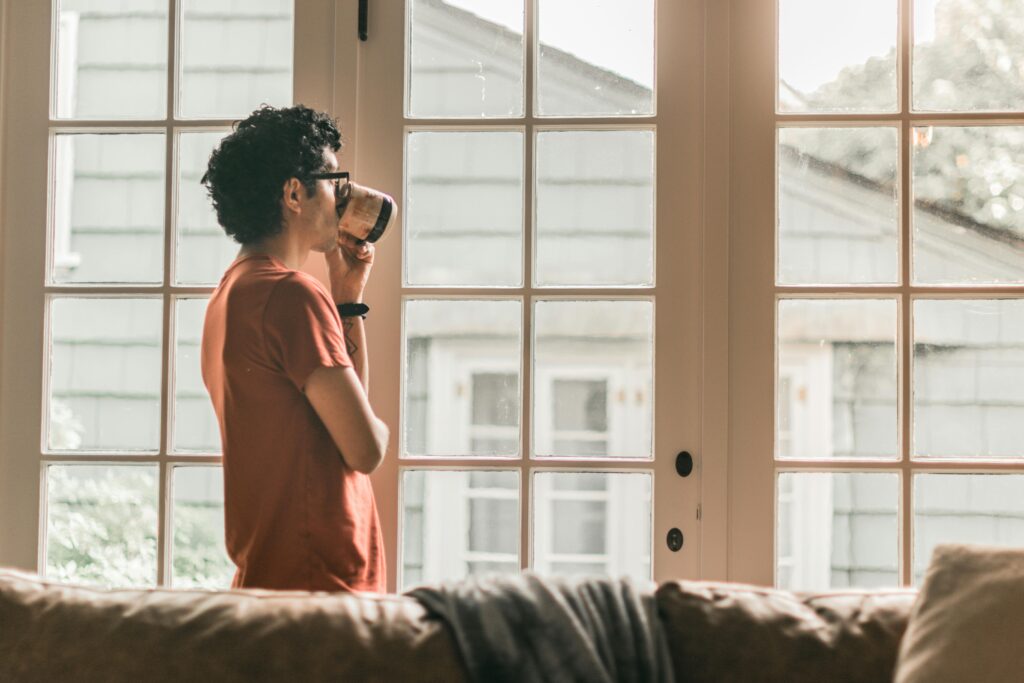
- Drink your morning coffee outside.
- Walk to the nearest store.
- Sit outside for 10 minutes while checking messages or social media.
- Exercise outside a few days a week.
- It’s easy to make a habit. Just do it every day.
Try it for two weeks; most people start to fall asleep faster, wake up refreshed, and need less coffee in the afternoon.
“Here are simple ways to improve sleep quality”
A Simple Daily Routine
Morning:
- Get outside within an hour of waking up. Even 10 minutes is enough.
- Drink a glass of water before you drink your coffee.
- Get some light exercise, even if it’s just a 5-10 minute walk.
Night:
- Dim the lights an hour before bed.
- Put your phone away.
- Try to go to bed at the same time every night.
- That’s all the routine is.
No supplements, no expensive machines or products, and no complicated steps. Just these two simple things: natural light in the morning and a consistent routine at night.

“Using your phone at night can damage sleep quality”
Final Thought
If you’ve been struggling with sleep issues for a while and nothing seems to be working, focus on your mornings instead of your nights.
Morning sunlight is the easiest, most natural, and most effective way to improve your sleep. It works with your body, not against it. It costs nothing, and it only takes 10 minutes.
Your body already knows how to get good sleep. It just needs the right signal, and morning sunlight is that signal.
Just give it a couple of weeks. You’ll be amazed at how much change happens.
(I have also started doing these things and have tried these things. They really help)
FAQs
Q1: What is the best time to get morning sunlight?
The ideal time is within 30 to 60 minutes of waking up, and before 10 a.m. This is when the light signal is strongest and most effective in setting your body’s internal clock for the day.
Q2: What if I wake up before sunrise?
If you wake up very early and the sun hasn’t risen yet, just wait until it rises and then step outside. You can still do your morning routine indoors, just make sure you get exposure to outdoor light as soon as the sun rises.
Q3: Does it work on cloudy or overcast days?
Yes, cloudy days reduce the intensity of light, but outdoor light is much stronger than any indoor light. Even on a completely cloudy day, stepping outside sends your brain a much stronger light signal than sitting by a window indoors. Don’t put it off just because it’s gray outside.
Q4: Can I get the same benefit from sitting by a window?
Not at all. Glass filters out many of the important wavelengths of light your brain needs to set its clock correctly. Being outside, even just on a balcony or doorstep, is more effective than sitting near a window. If going outside isn’t really possible, a window is still better than nothing, but try to make outdoor exposure your default.