

How To Fix Your Sleep Schedule Fast
Most people don’t realize how quickly a disrupted sleep schedule can take over their entire lives.
One late night turns into many late nights.
Suddenly you’re up at 2 a.m., struggling to fall asleep, and then dragging yourself through the day, exhausted.
I’ve been there myself.
I kept telling myself, “I’ll make it up to you tomorrow,” but tomorrow always turned into another late night.
The most frustrating part wasn’t just feeling tired.
It was the brain fog, the lack of motivation, and waking up in the morning feeling like I hadn’t slept at all.
The good news is
Your body already knows how to get good sleep.
It just needs the right signals at the right time.
In this guide, you’ll learn 9 practical, science-backed steps that can reset your body clock faster than you think.
Some changes start to show results in a few days, while others create long-lasting habits that make good sleep feel natural again.
Let’s start with the biggest mistake that keeps most people stuck.
1. Stop trying to fix everything in one night
People make a big mistake when they decide to fix their sleep schedule.
They force themselves to stay awake all day, hoping that they will be so tired at night that they will fall asleep quickly.
It seems logical, but in reality, it often has the opposite effect.
Here’s where most people get it wrong
Your body doesn’t just run on fatigue.
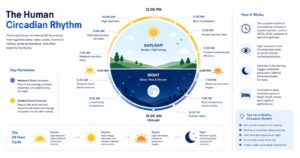
It follows an internal clock (circadian rhythm) that naturally tells you when to wake up and when to go to sleep.
Waking up for 20-24 hours may make you tired, but it doesn’t reset your internal clock right away.
Instead, it increases stress hormones (like cortisol), which makes it even harder to fall asleep.
Sleep researchers have repeatedly found that gradual changes are much more effective than making big changes all at once.
Why does this work?
Think of your body clock like changing time zones.
If you move from New York to London, your body won’t adjust overnight — it will gradually adjust over several days.
Your sleep schedule works the same way.
Setting your bedtime just 15 to 30 minutes earlier each night gives your brain a chance to adjust to the new rhythm without having to fight it.
Small changes seem so easy — that’s why they work.
Try this tonight
If you currently go to bed at 2 am, don’t try to go to bed at 10 pm.
Go to bed at 1:30 am tonight.
Try it at 1 am tomorrow.
Keep repeating this process until you reach your goal.
It may seem slow, but it’s very likely to stick.
2. Wake Up at the Same Time Every Single Day
Most people focus on bedtime.
Sleep experts focus on wake-up time.
That one change often makes a bigger difference than anything you do before bed.
Your brain resets its internal clock every morning. If you wake up at 7 a.m. one day, 10 a.m. the next, and noon on weekends, your body never knows when the day actually begins.
Imagine trying to follow a work schedule that changed every morning.
Your body feels the same confusion.
Why This Works
The moment sunlight reaches your eyes after waking, your brain starts a timer.
Around 14 to 16 hours later, it begins producing melatonin, the hormone that helps you fall asleep naturally.
If your wake-up time keeps changing, that timer keeps changing too.
That’s why sleeping in on weekends often causes what’s known as social jet lag.
You haven’t traveled anywhere, but your body feels like it has.
What Most People Get Wrong
Many people believe catching up on sleep during the weekend repairs an entire week of poor sleep.
Unfortunately, it often creates another problem.
Sleeping three or four hours later on Saturday makes Sunday night feel like Monday morning after an international flight.
Then Monday arrives, and you’re wide awake when you should be sleeping.
The cycle repeats.
Try This Tonight
Before going to bed, set your alarm for the same time you’ll use tomorrow, even if you didn’t sleep perfectly.
Yes, you may feel tired for a day or two.
But consistency teaches your brain far faster than sleeping ever will.
3. Get Bright Light Within the First 30 Minutes of Waking
This is one of the fastest ways to reset your sleep schedule, yet it’s also one of the most overlooked.
Your brain doesn’t know what time it is by checking a clock.
It checks the light around you.
As soon as bright light enters your eyes in the morning, special cells in the retina send signals to the brain that it’s time to be alert. This process suppresses melatonin, boosts alertness, and helps lock your body into a healthier daily rhythm.
Natural sunlight works best because it’s much brighter than typical indoor lighting. Even a cloudy morning provides far more light than most homes or offices.
Why This Works
Morning light acts like a daily reset button for your internal clock.
People who regularly get sunlight soon after waking tend to fall asleep earlier at night and experience deeper, more refreshing sleep.
This is one reason sleep specialists often recommend a short walk outside instead of reaching for another cup of coffee first thing in the morning.
Fresh air helps.
The light helps even more.
Try This Tonight
Don’t wait until tomorrow evening to think about improving your sleep.
Plan tomorrow morning before you go to bed.
Decide where you’ll spend at least 10 to 20 minutes outside after waking. It could be a short walk, drinking your coffee on the porch, or simply sitting near a sunny window if getting outdoors isn’t possible.
That small decision tonight makes tomorrow much easier.
4. Stop Fighting Your Brain at Night
Have you ever climbed into bed feeling tired, only to become wide awake the moment your head hit the pillow?
It isn’t always because you’re “not sleepy.” Often, your brain is still in daytime mode.
Many people spend the last hour before bed answering emails, scrolling through social media, watching intense TV shows, or thinking about tomorrow’s problems. Then they expect their mind to switch off instantly.
It doesn’t work that way.
What Most People Get Wrong
Sleep isn’t like flipping a light switch.
It’s more like landing a plane. The brain needs time to slow down before it can settle into sleep.
When your mind stays stimulated until the last minute, your nervous system remains alert. Your heart rate stays slightly higher, stress hormones linger, and falling asleep becomes much harder.
Why This Works
A simple wind-down routine tells your brain that the day is ending.
Studies have found that relaxing activities before bed can help people fall asleep faster and improve overall sleep quality.
The key isn’t finding the “perfect” routine.
It’s repeating the same routine every night.
Over time, your brain begins to associate those activities with sleep.
Try This Tonight
Set a reminder about an hour before bedtime.
When it goes off, dim the lights and switch to calm activities. Read a few pages of a book, stretch gently, listen to relaxing music, or take a warm shower.
Keep the routine simple enough that you’ll actually stick with it.
Does Napping During the Day Help or Hurt Your Sleep? What I Learned About Power Naps
5. Rethink Your Evening Caffeine Habit
Most people know that coffee can keep them awake.
What surprises many people is how long caffeine stays in the body.
You might finish an afternoon coffee at 4 p.m. and assume it’s gone by bedtime.
In reality, a significant amount can still be circulating in your system late into the night.
What Most People Get Wrong
People often judge caffeine by whether they “feel awake.”
That’s misleading.
Even if you fall asleep without any trouble, caffeine can reduce deep sleep and make your rest less refreshing. You may sleep for eight hours but still wake up feeling tired.
That’s why some people blame their mattress, stress, or age when the real issue is a daily habit they never questioned.
Why This Works
Caffeine blocks adenosine, a natural chemical that builds up in your brain throughout the day and creates the feeling of sleepiness.
When caffeine blocks that signal, your brain doesn’t recognize how tired you really are.
The result?
You stay awake later than you intended, and your sleep schedule gradually shifts.
Try This Tonight
Think back to when you had your last caffeinated drink today.
Tomorrow, try moving that final cup at least a couple of hours earlier.
If you’re sensitive to caffeine, consider avoiding it after lunch and notice how your sleep changes over the next week.
Small adjustments often produce surprisingly noticeable results.
6. Don’t Chase More Sleep—Build Better Sleep Pressure
Here’s something that sounds backwards.
Trying too hard to sleep can actually keep you awake.
If you’ve ever watched the clock, worried about how many hours you had left before morning, you’ve probably experienced this firsthand.
The harder you tried, the more awake you became.
What Most People Get Wrong
Many people go to bed simply because the clock says it’s bedtime.
Their body, however, isn’t ready.
Instead of feeling sleepy, they lie there thinking, checking the time, and becoming increasingly frustrated.
Soon, the bed starts feeling like a place for worrying instead of sleeping.
Why This Works
Throughout the day, your body naturally builds something called sleep pressure.
The longer you’re awake, the stronger that pressure becomes.
By bedtime, it should be high enough that falling asleep feels natural.
Long naps, sleeping in, or spending too much time in bed can weaken that pressure, making it harder to fall asleep at night.
Sleep experts often recommend getting out of bed if you’ve been awake for around 20 minutes. Do something quiet in dim light until you begin feeling sleepy again.
This helps your brain reconnect the bed with sleep rather than frustration.
Try This Tonight
If you can’t fall asleep, don’t keep staring at the ceiling.
Get out of bed for a short while.
Read something calming under soft lighting or practice slow breathing.
Return to bed only when your eyes begin to feel heavy.
It may seem counterintuitive, but many people find they fall asleep much faster once they stop trying to force it.
If you’d like to learn more, I also covered this in 👉 Does Exercise Help You Sleep Better? What the Research Says
7. Turn Your Bedroom Into a Place Your Brain Associates With Sleep
Your bedroom might look comfortable, but is it actually helping you sleep?
For many people, the bedroom has become an office, entertainment center, dining room, and scrolling station all at once. When your brain connects the bed with work, videos, or endless notifications, it becomes harder to associate that space with rest.
Your environment shapes your habits more than you might think.
What Most People Get Wrong
Many people spend hundreds of dollars on supplements, sleep gadgets, or expensive mattresses while ignoring the basics.
A room that’s too warm, too bright, or too noisy can interrupt sleep even if you don’t fully wake up. These small disturbances reduce the amount of deep and REM sleep your body gets.
The next morning, you feel tired without knowing why.
Why This Works
As bedtime approaches, your body naturally begins to cool down. A cooler bedroom supports this process and makes it easier to fall asleep.
Darkness matters too.
Even small amounts of light—from a TV, alarm clock, or phone screen—can interfere with melatonin production in some people. Reducing unnecessary light helps your brain recognize that it’s time to sleep.
Noise also plays a role. Sudden sounds can pull you out of deeper stages of sleep, even if you don’t remember waking up.
Try This Tonight
Before bed, spend two minutes checking your room.
Turn off unnecessary lights, lower the temperature if possible, silence notifications, and move your phone out of arm’s reach.
You don’t need a perfect bedroom.
You just need one that tells your brain, “This is where we sleep.”
8. Move Your Body During the Day
Exercise is often recommended for better sleep, but the reason isn’t simply that it makes you tired.
Regular physical activity helps regulate your internal body clock, reduces stress, and increases the amount of deep sleep you get each night.
The important part is consistency, not intensity.
What Most People Get Wrong
Some people believe they need long, exhausting workouts to improve sleep.
Others avoid exercise completely because they think they don’t have enough time.
Neither is true.
Even a brisk 20–30-minute walk most days of the week can make a noticeable difference over time.
Another common mistake is exercising intensely right before bed. For some people, this raises heart rate and body temperature enough to delay sleep.
Everyone is different, but many people sleep better when vigorous workouts are finished a few hours before bedtime.
Why This Works
Physical activity helps your body build healthy sleep pressure throughout the day.
It also reduces anxiety and stress, two of the biggest reasons people struggle to fall asleep.
When your body feels balanced, your brain finds it easier to switch into sleep mode at night.
Try This Tonight
Instead of planning a complicated fitness routine, choose one simple activity for tomorrow.
Take a walk after lunch.
Ride your bike.
Stretch during a work break.
The best exercise for sleep is the one you’ll actually keep doing.

9. Know When It’s Time to Get Professional Help
Sometimes, a poor sleep schedule isn’t just the result of bad habits.
If you’ve been following healthy sleep routines for several weeks and still struggle to fall asleep, wake up constantly, or feel exhausted every day, it may be time to look deeper.
Sleep problems can sometimes be linked to conditions such as insomnia, sleep apnea, restless legs syndrome, anxiety, depression, or other medical issues.
Changing your bedtime alone won’t solve those problems.
What Most People Get Wrong
Many people assume poor sleep is something they simply have to live with.
They keep drinking more coffee, pushing through the day, and hoping things improve on their own.
Months—or even years—can pass before they ask for help.
The sooner an underlying problem is identified, the sooner it can be treated.
Why This Works
A healthcare professional or sleep specialist can identify issues that aren’t obvious from your daily routine.
Sometimes a simple evaluation is enough to uncover the real cause of ongoing sleep problems.
Better sleep often starts with the right diagnosis.
Try This Tonight
Think about your sleep over the past month.
If poor sleep is affecting your work, mood, relationships, or overall health despite making healthy changes, don’t ignore it.
Keeping a simple sleep diary for one or two weeks can also provide useful information to discuss with your doctor.

Final Thoughts
Fixing your sleep schedule isn’t about finding one magical trick.
It’s about giving your body the same healthy signals every day until they become automatic.
Start by waking up at the same time each morning.
Get outside for natural light.
Create a calming evening routine.
Cut back on late-day caffeine.
Build healthy sleep pressure.
Make your bedroom a place for rest.
Stay active during the day.
And remember that real progress comes from consistency, not perfection.
You don’t have to change everything tonight.
Choose one habit.
Practice it for a few days.
Then add another.
Those small improvements build on each other, and before long, going to bed and waking up at the right time won’t feel like a struggle anymore.
Instead, it’ll feel natural—just as your body was designed to do.