
Introduction
I was sure that if I only got 8 hours of sleep, everything would be easier, such as energy, focus, mood, etc. But there were days when I slept for a full night, but when I woke up, it felt like I hadn’t slept at all.
If you’re in the same place, you might have felt the same way, and it’s really frustrating. We do what we’re told to do to get to bed on time and get 7-8 hours of sleep, but still feel the same.
So we start wondering why we’re still tired after 8 hours of sleep.
Let’s dig deeper and see what’s really going on.
1. You’re Sleeping, But Not Getting Quality Sleep
Here are some things we often overlook: Not all sleep is created equal
According to experts at the Mayo Clinic, the quality of sleep is just as important as the duration of sleep. If your sleep is fragmented, even if you don’t remember waking up, you may not be getting the deep restorative sleep your body needs.
You can explore their insights here:👇
https://www.mayoclinic.org/healthy-lifestyle/adult-health/in-depth/sleep/art-20048379
I have often noticed that broken sleep, sleep that is interrupted repeatedly, makes us tired, even if it is long, and, instead, short sleep that is not interrupted repeatedly keeps us refreshed.
2. Your Body Clock Is Out of Sync
Our body has a natural clock, called the circadian rhythm. This clock tells us when to sleep and when to wake up. When we ignore it. Staying up late on weekends, using a bright screen on a mobile, laptop, or TV, sleeping too much during the day, or staying up late at night. All of these things disrupt this natural clock.
Irregular sleep schedules confuse your body, making it difficult to feel rested even after getting enough sleep, say doctors at the Cleveland Clinic.
Read more here: 👇
https://health.clevelandclinic.org/why-youre-tired-even-after-sleeping/
Yes, this is a common and true thing that you have noticed.
If your sleep schedule changes, even if you sleep for a full 8 hours, you still wake up feeling tired, groggy, and “awake.”

3. The Stress Doesn’t Go Away When you Do That
This is more delicate.
You sleep, but your mind is thinking about work, life, or problems, so your body remains in a light sleep state.
We have all had nights where we sleep but don’t rest.
Over time, this kind of mental load can drain your energy even if your sleep duration seems clear to you.
4. Hidden Sleep Disorders
Sometimes it gets complicated.
Problems like sleep apnea can make it hard for you to breathe during sleep, which can cause your body to wake up many times without you realizing it.
Untreated sleep disorders can lead to chronic fatigue and long-term health problems, according to the Centers for Disease Control and Prevention (CDC).
You can check their overview here:👇
https://www.cdc.gov/sleep/about_sleep/sleep_hygiene.html
If you:
- Snoring loudly
- Waking up with difficulty breathing
- Feeling constantly tiredThen these things may be worth paying attention to
5. Your Lifestyle is Working Against You
We don’t always associate our daily habits with our sleep, but they are deeply connected to it.
Some things, like.
- Late caffeine consumption
- Eating heavy meals at night
- Lack of physical heat
All of these can reduce the quality of sleep. I used to completely ignore this, but when I started paying attention to what I eat and do, I noticed a significant difference.
Your body doesn’t just need good sleep; it also needs the right quality of sleep.

6. You are Waking up at the Wrong Time
It surprised me when I first got to know it.
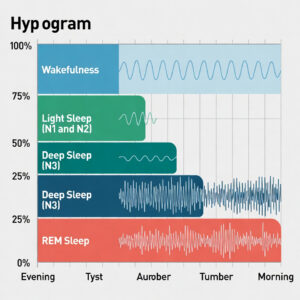
Our sleep works in cycles (90 minutes each). If you wake up in the middle of a cycle, you feel groggy—even if you sleep for a long time.
That’s why sometimes,
- 6 hours of sleep feels fine.
- 8 hours of sleep feels exhausting.
The quality of sleep depends not only on how many hours you sleep but most of all on when you wake up.
7. Underlying Health Problems
Sometimes the cause of constant fatigue is not sleep. It can also be due to some hidden problems inside the body.
Such as:
- Low iron in the blood
- Symptoms in the throat
- Emotional stress
These things we don’t think about right away, but they gradually tire the body and don’t allow us to feel rested.
What We Can Do About It
Now that we understand the general reasons, let’s talk about practical steps that I have tried and found helpful.
Stick to a consistent sleep schedule.
Wake up at the same time every day as when you go to bed, and do the same on weekends.
Improve your sleep environment
Keep your room.
- Dark
- Quiet
- A little cooler or warmer depending on the environment
These small changes can improve the quality of your sleep more than you expect

Limit screen time before bed
Blue light delays your body’s natural sleep signals.
Turn off your mobile, laptop, etc., at least 30 to 60 minutes before bed.
Pay attention to your diet
Avoid caffeine late in the day and heavy meals before bed.
Calm your mind
Simple habits like journaling or deep breathing can help slow down your brain before bed.
Final Thought
If I’ve learned anything through this, it’s that sleep isn’t just about beating a number.
Often we chase the idea of ”8 hours” as if it’s a guarantee—but true rest is harder than that.
Sometimes, it’s not about getting more sleep; it’s about understanding how we sleep.
And when we start paying attention to them, things start to change.
If you wake up feeling tired even after 8 hours of sleep, don’t ignore it. Your body is trying to distract you from a problem.
Be patient and try. You’ll soon notice a difference.
Here..👉 How to Fix Your Sleep Schedule Fast: 9 simple steps that actually work