How Sleep Affects Your Immune System
A few years ago, I started to notice something strange.
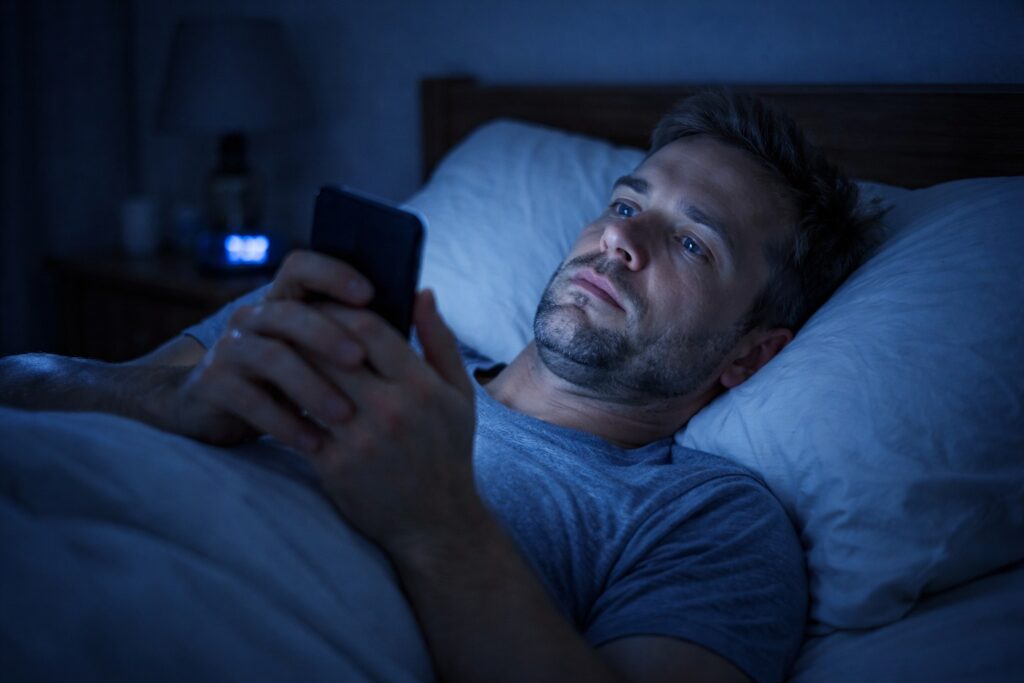
Whenever I had a bad night’s sleep (a few days of poor sleep), I would feel like I was the one catching whatever cold or flu was going around.
A busy work week, several nights of staying up late, and suddenly waking up in the morning with a sore throat, runny nose, or that familiar feeling of “I’m coming down with something.”
At first, I thought it was just bad luck.
But when I listened to sleep researchers and doctors, I realized there was a reason.
Sleep isn’t just about rest.
It plays a huge role in keeping our immune system strong.
In fact, many experts now consider sleep to be one of the most important factors in keeping our immune system strong.
Surprisingly,
Many of us focus on vitamins, supplements, and healthy eating but completely ignore sleep.
Let’s look at why sleep is so important for immunity and what happens when we don’t get enough of it.
What Is the Immune System?
Before we talk about sleep, it’s important to first understand what the immune system actually does.
Think of your immune system as your body’s defense team or army.
Its main functions are:
- Recognizing harmful viruses and bacteria
- Fighting them
- Rescuing the body from disease
- Protecting against future illnesses
Your immune system is working quietly behind the scenes every day.
Most of the time, we don’t even notice it.
But when it’s weakened, we quickly notice the consequences:
We get sick more often.
It takes longer to recover from illness.
And we feel more tired than usual.
Connection Between Sleep and Immunity
Scientists have long known that sleep and immunity are closely linked.
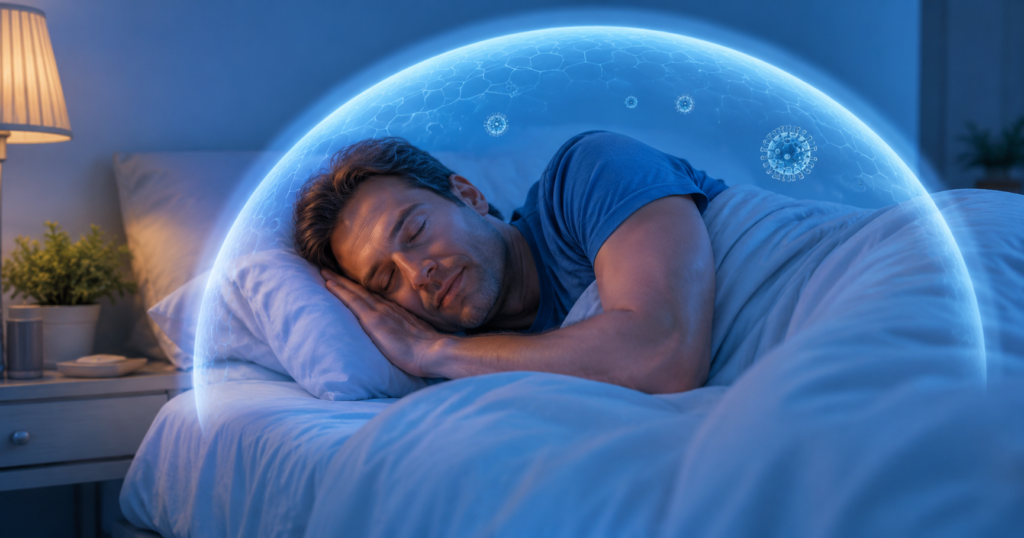
When we sleep, our bodies perform important repair and maintenance tasks. This includes strengthening the immune system.
Sleep researchers say that while we sleep, the body produces special protective proteins called cytokines.
These proteins help the body fight infection, inflammation, and stress.
When sleep is reduced, the amount of these protective proteins also decreases.
Simply put:
Poor or insufficient sleep makes it harder for your body to fight off diseases.
That’s why people who sleep poorly get sick more easily.
Why do you often get sick after poor sleep?
I’ve seen this happen many times in my life.
When I had several nights of poor sleep, I felt like I was going to get sick soon—like my body was running away.
Research suggests there’s a scientific reason for this.
When we don’t get enough sleep:
- The immune system weakens (the ability to fight disease decreases)
- Inflammation increases in the body
- The body’s repair and recovery slows down
- The risk of getting sick is greatly increased
Sleep experts call sleep the night’s reset button.
If this reset doesn’t happen properly (i.e., you don’t get good sleep), the body’s defense team can’t do its best work.
Sleep Is When Your Body Repairs Itself
One thing that many people don’t realize is that sleep is an active process.
Your body doesn’t completely “shut down” when you sleep.
During deep sleep, the body performs many important repair and restoration tasks.
These tasks include:
- Repairing body tissues
- Rebuilding muscles
- Keeping hormones in check
- Strengthening the immune system
This is why when a person is recovering from an illness, they feel more tired than usual.
The body naturally wants more rest because it is doing extra repair work at that time.
Now whenever I am sick, I pay more attention to sleep than before.
It is one of the few things that always helps me get better faster.
Can a bad night’s sleep affect your immune system?
This is a common question.
The good news: A single night of bad sleep usually doesn’t completely destroy your immune system.
But if you have bad sleep over time, the effects start to accumulate.
Think of it like exercise:
Skipping a day of exercise isn’t a big deal.
But skipping exercise for weeks or months can make a big difference.
Sleep is the same way.
Everyone gets a bad night every now and then.
The real problem is chronic sleep deprivation—when you’re on a long-term sleep deficit. This is when your body struggles to function properly.
Sleep deprivation and inflammation
Another important consideration is inflammation.
Inflammation is the body’s natural defense, but when it’s too much for a long time, it can cause health problems.
Researchers have found that poor sleep can increase inflammation in the body.
This doesn’t mean that every bad night will make you sick.
But it certainly makes it clear that sleep and overall health are closely linked. The body works best when it gets adequate rest.
Why does stress ruin everything?
This was the biggest lesson I learned.
Whenever I was stressed, my sleep would be disrupted.
And when I didn’t get enough sleep, I was more likely to get sick.
This is no coincidence.
Stress and sleep are deeply connected.
High stress makes it harder to:
- Fall asleep easily
- Stay asleep
- Get deep, restful sleep
On the other hand, lack of sleep makes stress feel even worse.
This creates a cycle that is hard to break.
If you’ve read my previous article
(How Stress Silently Destroys Your Sleep Quality)
You know how powerful this connection is.
Managing stress is a very effective way to improve sleep and strengthen your immune system.
How does sleep help your body defend itself?
Researchers have discovered an interesting fact: sleep helps the body build a strong immune response.
That’s why doctors and health experts place special emphasis on sleep during illness.
The body handles and coordinates many important immune functions during sleep.
That’s why we naturally feel sleepy when we’re sick.
It’s the body’s way of prioritizing recovery.
Instead of fighting this fatigue, listen to your body and let it rest.
Symptoms of poor sleep that can affect your health
Everyone feels tired sometimes.
But if poor sleep becomes a daily habit, you may notice these things:
- Frequent colds, flus, or illnesses
- Always feeling “down” (weak)
- Taking longer to recover from illness
- Increased fatigue
- Difficulty concentrating
- Mood swings (irritability, etc.)
Many of these symptoms are similar to other health conditions.
So if these symptoms persist, be sure to talk to your doctor.
Still, sleep is the first thing that is most often recommended to be checked.
What helped me sleep better
I didn’t change my entire routine overnight.
Instead, I focused on a few simple habits.
I started doing these things:
- Going to bed at the same time every night
- Reducing phone use before bed
- Getting sunlight in the morning
- Keeping the bedroom cool and dark
- Avoiding heavy meals late at night
These changes didn’t seem like a big deal at first.
But after a few weeks, I realized that I was getting better and more consistent sleep.
I also started feeling healthier and more energetic during the day.
👉 How To Improve Sleep Quality Naturally (8 Tips That Actually Worked)
👉 How Using Phone Before Bed Is Affect Your Sleep (And How To Fix It)
How much sleep do most adults need?
According to major organizations like the CDC and the Sleep Foundation, most adults should get 7 to 9 hours of sleep a night.
However, the quality of sleep is also important.
8 hours of poor sleep is not as effective as 8 hours of good, refreshing sleep.
That’s why it’s so important to develop healthy sleep habits.
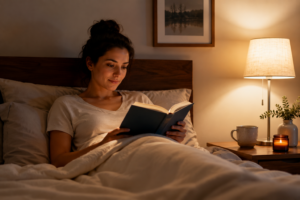
What do sleep experts recommend?
Sleep experts give this advice time and time again:
- Create a regular sleep schedule (go to bed and wake up at the same time every day)
- Get enough sleep (7-9 hours)
- Minimize phone, TV, or screen use before bed
- Manage stress
- Exercise daily
- Create a comfortable sleeping environment (dark, cool, and quiet room)
These habits not only improve the quality of your sleep but also strengthen your overall health.
Final thoughts
For years, I thought that immunity was only boosted by vitamins, healthy eating, and exercise.
All of those things are important, of course.
But sleep also deserves a top spot on this list.
The more I learned about the science of sleep, the more I realized that our bodies do a lot of great work when we sleep:
The body repairs
The brain heals
The immune system prepares for the next day
If you’re constantly tired or frequently sick, don’t ignore your sleep habits.
Sometimes the most powerful thing you can do for your health isn’t to start something new.
The best thing you can do is just get better sleep.