Does Exercise Help You Sleep Better?
A few years ago, I thought exercise and sleep were two completely different things.
Exercise is for fitness.
And sleep is just for rest.
Simple as that.
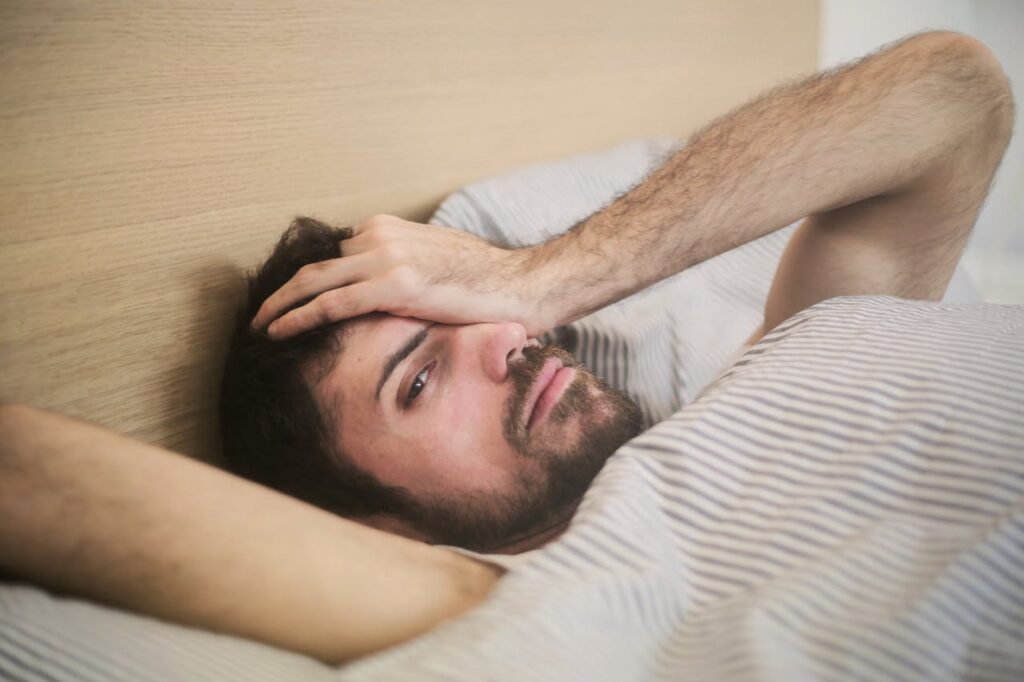
But when I went through a period of poor sleep, I started to notice something interesting.
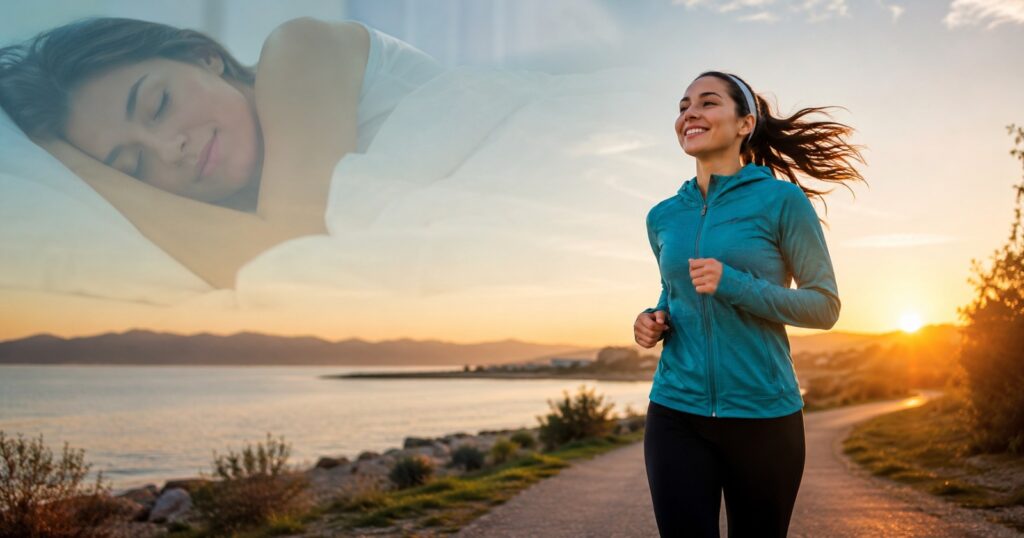
On days when I was physically active (exercising), I usually slept better that night.
On days when I sat for hours, moved less, and spent most of my time in front of a screen, I had a hard time sleeping that night.
At first, I thought it was just a coincidence.
But when I read research from sleep researchers, doctors, and organizations like the Sleep Foundation and the CDC, I realized that exercise and sleep are very closely linked.
In fact, regular exercise is one of the most powerful and natural ways to improve sleep quality.
Surprisingly, many people focus on expensive mattresses, supplements, and sleep machines but completely ignore a huge and free tool—and that is movement (exercise).
Let’s see what the research actually says.
The relationship between exercise and sleep
The relationship between sleep and exercise is a two-way street.
Exercise improves sleep.
Good sleep improves exercise performance.
When one improves, the other often improves as well.
Researchers have found that people who are physically active generally experience:
- Improved sleep quality
- Falling asleep faster
- Getting a deeper sleep
- Feeling less tired during the day
- Better mood
This doesn’t mean you have to become a marathon runner.
Moderate exercise is enough.
The most surprising thing is that you don’t need to exercise very hard to see the benefits.
Consistency (even a little bit of movement every day) is more important than intensity.
How does exercise help you fall asleep faster?
Have you ever noticed how much deeper sleep children get after a day of playing?
The same thing happens with adults.
Physical activity uses up the body’s energy throughout the day.
This increases sleep pressure in the body.
This is the natural feeling that helps us fall asleep at night.
The more active we are, the stronger sleep pressure we develop.
When I started walking every day, the first difference I noticed was that I spent less time staring at the ceiling trying to fall asleep at night.
My body naturally felt more ready to rest.
Many sleep experts say that this is why active people fall asleep faster than inactive people.
Exercise can increase deep sleep
This is one of the biggest benefits of exercise.
Not all sleep is created equal.
Deep sleep is the stage in which the body repairs itself the most.
During deep sleep:
- Muscles heal
- Body tissues are repaired
- Energy stores are replenished
- Immune system is strengthened
Research shows that regular exercise can increase the amount of deep sleep.
This is very important because deep sleep is the stage that makes you feel refreshed and alert the next day.
You can sleep for 8 hours, but if you don’t get enough deep sleep, you can still wake up tired.
That’s something I learned firsthand.
Exercise helps reduce stress
One thing I’ve seen time and time again is that stress and sleep problems often go hand in hand.
When stress increases, sleep quality decreases.
Exercise can help break this vicious cycle.
Physical activity regulates stress hormones and improves mood.
Many people report feeling calmer after exercising, walking, or cycling.
I’ve found that an evening walk after a busy day calms my mind. Instead of carrying stress to bed, I feel more relaxed.
If you’ve already read:
👉Why Your Brain Feels Slow After Poor Sleep (And How to Fix It)
Exercise is a great and natural way to manage stress.

Can exercise help with insomnia?
Insomnia is the most common sleep complaint people have today.
Many people are troubled by:
- Not being able to fall asleep quickly
- Waking up repeatedly after falling asleep
- Waking up too early in the morning
Research shows that regular exercise can help improve the quality of sleep for some people with insomnia.
The most important thing is consistency.
A day of exercise won’t magically cure chronic insomnia.
But if you exercise consistently (daily or often), over time it can help you develop healthy sleep patterns.
That’s why doctors often recommend exercise as part of an overall plan to improve sleep.
What type of exercise is best for sleep?
This is a question many people ask.
The good news: there is no single answer.
Many types of exercise can be beneficial for sleep.
1. Walking
This is my personal favorite because it is so easy.
It doesn’t require any special equipment or a gym.
You can easily fit it into your daily schedule.
Even just 20-30 minutes of walking a day can go a long way in improving sleep.
2. Strength Training
Lifting weights or resistance training improves overall health and also improves sleep quality.
3. Cycling
Moderate cycling improves heart health and reduces stress.
4. Swimming
Swimming combines both exercise and relaxation.
It is a low-impact exercise, which is why doctors often recommend it.
5. Yoga
Yoga is especially important because it combines movement with relaxation techniques.
Many people find yoga before bed to be very beneficial for reducing stress and improving sleep.
Does exercise improve sleep quality or just make you tired?
This is an important question.
Exercise doesn’t just make you tired and exhausted.
If it did, people who work hard would all sleep better.
The reality is a little more complicated than that.
Researchers say that exercise improves sleep by regulating several important body processes, such as:
- Regulating body temperature
- Reducing stress
- Maintaining the body’s internal clock (circadian rhythm)
- Balancing energy
The result is that you don’t just feel physically tired, but actually improve the quality of your sleep.
What is it like to exercise before bed?
There’s a lot of confusion about this.
Previously, people were told not to exercise at all before bed.
Now new research suggests that it’s not so straightforward.
For many people, light or moderate exercise in the evening doesn’t cause any problems with sleep.
But very intense and strenuous exercise right before bedtime can make some people more awake, making it harder to fall asleep.
My personal experience:
A leisurely walk in the evening helped me sleep better.
But strenuous exercise before bed sometimes made it harder to fall asleep.
Best advice: Listen to your body and see what works for you.

Additional benefits of morning exercise
Many sleep experts recommend exercising in the morning whenever possible.
Morning exercise strengthens your body’s internal clock (circadian rhythm).
This internal clock helps the body control the following:
- When to sleep
- When to wake up
- Hormonal balance
- Energy levels throughout the day
Morning exercise combined with sunlight has an even better effect on sleep.
That’s why people who exercise early in the morning feel more energetic and alert throughout the day.
Can exercise replace a good night’s sleep?
No!
This is very important.
Exercise is very powerful, but it cannot replace a good night’s sleep.
Some people try to compensate for poor sleep by exercising hard.
Unfortunately, this method usually doesn’t work.
Exercise and sleep work together.
Neither can completely replace the other.
The healthiest way is to prioritize both good sleep and regular exercise.
What helped me personally
When I was going through sleep issues, I kept looking for very complicated solutions.
I tried changing the temperature of my room, trying different bedtime routines.
Some things made a small difference, but the biggest improvement came from something very simple.
I started moving consistently.
Not a lot of hard exercise, not marathon training — just regular daily movement.
Walking.
Stretching.
Occasional strength training
After a few weeks, I started to notice the difference:
- It became easier to fall asleep
- Sleep was deeper and better
- Waking up in the morning felt more refreshing.
- I had more energy throughout the day
Combined with a routine of using my phone less before bed and going to bed and waking up at the same time, exercise became my most helpful habit.
You can also read:
👉 How Using Phone Before Bed Is Affect Your Sleep (And How To Fix It)
👉 How To Improve Sleep Quality Naturally (8 Tips That Actually Worked)
👉 Does Napping During the Day Help or Hurt Your Sleep? What I Learned About Power Naps

What do sleep experts recommend?
Major organizations like the CDC, Sleep Foundation, and Mayo Clinic consider regular exercise to be an important part of a good sleep routine.
Here are their tips:
- Exercise most days of the week
- Avoid prolonged sitting
- Combine exercise with good sleep habits
- Go to bed and wake up at the same time every day
The goal isn’t perfection; it’s consistency.
Small changes, made regularly, produce the best results.
The Bottom Line
For a long time, I thought there had to be a complicated solution to better sleep.
But the most effective change turned out to be surprisingly simple—moving more every day.
Exercise doesn’t guarantee good sleep, but research repeatedly shows that regular exercise:
- Improves sleep quality
- Increases deep sleep
- Lifts mood
- Increases energy throughout the day
If you’re looking to improve your sleep naturally, exercise is one of the best places to start.
Sometimes the way to better sleep begins not in the bedroom, but in what we do during the day.