Introduction
A few years ago, I started to notice a strange change in my face.
Every morning, I would stand in front of the mirror and feel more tired than I actually was.
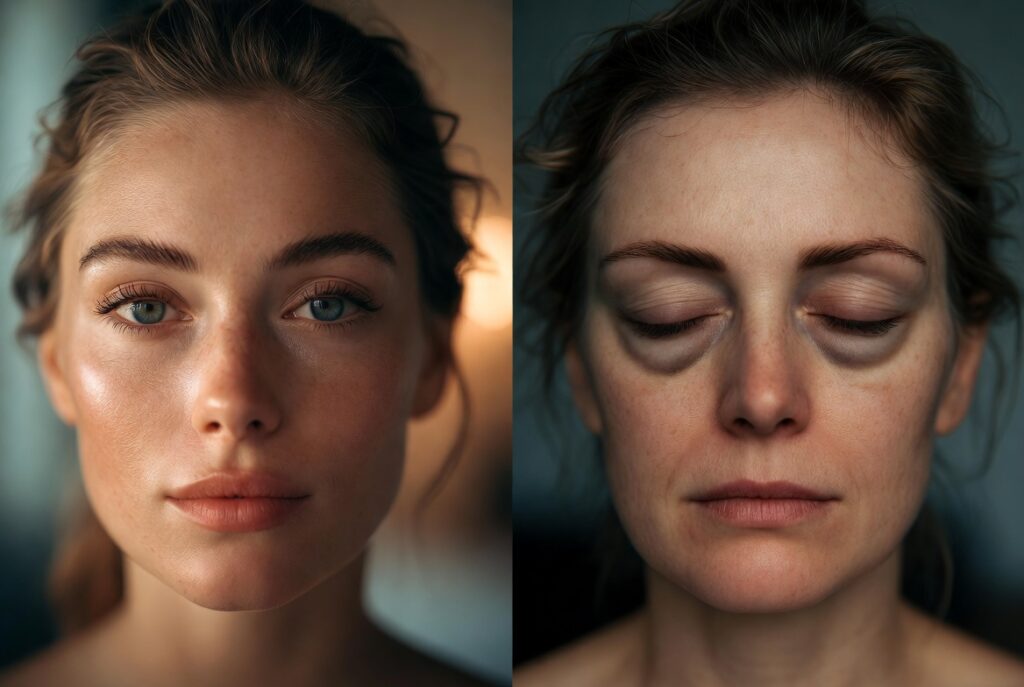
My eyes would look puffy, and my dark circles would get deeper and more noticeable day by day.
My skin would become dull, lifeless, and lackluster.
At first, I blamed everything but sleep. I thought maybe I should have a better skincare routine.
Maybe I should use a new face wash or an expensive cream. Maybe I wasn’t drinking enough water.
But when I read the research of sleep experts and dermatologists, a surprising truth emerged:
My problem wasn’t my skin; it was my sleep.
Many of us spend thousands of dollars on expensive skincare products, but we ignore the most important secret to healthy, glowing, and refreshed skin: good-quality sleep.
Both sleep experts and dermatologists agree that insufficient or poor sleep can affect your face more quickly than most people realize.
When you’re asleep, your skin is actually busy repairing itself.
Most people think that sleep is just for the brain to rest. But the truth is, your skin is incredibly active and hardworking while you’re asleep.
During deep sleep, your body begins to repair the damage it’s done throughout the day. Skin cells regenerate, collagen production increases, blood flow improves, and inflammation decreases.
This natural nighttime repair process is what keeps your skin looking healthy, smooth, radiant, and youthful.
According to experts at the American Academy of Dermatology (AAD), good sleep is crucial for maintaining healthy skin and boosting your body’s natural repair system.
But when the quality of sleep is compromised, this repair process becomes less effective. As a result, its negative effects on your skin start to show quickly.
Why does poor sleep show on your face so quickly
Whenever I woke up after a bad night’s sleep, I noticed one thing for sure — my face looked different the next morning.
It didn’t change dramatically, but it was definitely tired, dull, and dull.
Sleep researchers say that’s because poor sleep directly affects blood circulation and inflammation in the body. When sleep is disrupted, these things happen:
- Blood flow decreases
- Inflammation increases
- Stress hormones (like cortisol) increase
- Skin’s natural renewal process slows down
As a result, your skin starts to look dull, puffy, uneven, and tired.
Even a single night of poor sleep can significantly reduce the freshness and radiance of your face the next day. And if poor sleep becomes a habit, these effects can become more profound and permanent over time.
Dark Circles and Puffy Eyes
This is probably the first thing most people notice when they have a bad night’s sleep.
That’s what happened to me too. After several nights of poor sleep, my eyes started to look heavy, puffy, and had dark circles under them.
According to skin experts, poor sleep directly contributes to these problems:
- Puffy Eyes
- Fluid buildup
- Dark circles under the eyes
- Tired and lifeless-looking eyes
The reason is quite simple.
When the quality of sleep is poor, the small blood vessels in the delicate skin around the eyes become more visible. Along with this, inflammation also increases, which causes fluid to accumulate in this delicate area.
This combination of the two creates the classic look we call the “I didn’t sleep well” look.
Unfortunately, no expensive eye cream or serum can completely solve the problem of sleep deprivation.
Sleep and Collagen Production
One thing that surprised me the most was how closely linked sleep and collagen are.
Collagen is the main protein that plays a central role in keeping skin strong, smooth, elastic, and youthful. The more collagen you have at a healthy level, the more youthful your skin will look.
During deep sleep, the body releases growth hormone. This hormone works to repair and regenerate not only the skin but also the tissues of the entire body.
According to experts at Harvard Health, chronic sleep deprivation weakens the skin’s natural repair process, which causes signs of aging (wrinkles, dullness, sagging) to appear faster.

Can poor sleep cause acne?
For many people, the answer is — yes.
I have personally experienced that when stressful weeks come, two problems often come together: poor sleep and facial breakouts. At first, I thought it was just a coincidence, but later I found out that it was not.
Researchers say that poor sleep can aggravate acne because sleep disruption increases levels of the stress hormone cortisol. Elevated cortisol increases inflammation throughout the body, and inflammation is a major factor in the development of acne.
In addition, poor sleep also affects:
- Excessive oil production in the skin
- Slow skin healing process
- Weakened immune system response
While sleep alone is not the only cause of acne, it can make existing skin problems more severe and harder to control.
Stress, Sleep, and Skin—Interconnected
The biggest lesson I learned was that skin health isn’t just about creams and products. It’s also about what’s going on inside the body.
When we’re stressed, our sleep quality drops. And when our sleep is disrupted, our stress levels increase. It becomes a **vicious cycle**.
Sleep Foundation researchers also repeatedly talk about this deep connection between stress and sleep quality, as both directly impact our overall health and skin repair.
That’s why I started paying attention to my nighttime habits. Improving my sleep not only increased my daily energy, but my skin also started looking healthier and clearer.
You can also read my article on this:
Why Poor Sleep Affects Your Mental Health (And What Helped Me Fix It)
What helped me naturally improve my skin
I didn’t change my entire life overnight. I just focused on my sleep habits, and that was the biggest game-changer.
Here are a few simple changes that had the most positive impact on my face and skin:
1. Consistent sleep schedule
Instead of going to bed at random times, I started going to bed at the same time every night. This regulated my body’s internal clock (Circadian Rhythm) and improved my sleep quality.
2. Morning sunlight
I started getting some sunlight right after waking up. This proved to be very effective in resetting my circadian rhythm. Over time, falling asleep became easier and waking up in the morning started to feel more natural.
3. Reducing phone use before bed
This was the hardest habit for me. But reducing screen time significantly improved my sleep quality.
If you haven’t read it yet, be sure to check out this article:
How Does Using Your Phone Before Bed Affect Sleep Quality?
4. Better Evening Routine
I gave up endless scrolling before bed. Instead, I adopted calming activities — like reading a book, light stretching, or just relaxing my mind. Nothing too complicated, just getting my brain ready for sleep.

Your skin often reflects your sleep habits
Many dermatologists say it time and again: your skin is a reflection of what’s going on inside your body.
If you’re constantly tired, stressed, and sleep-deprived, your skin will start to show the telltale signs—dullness, dark circles, puffiness, or dullness.
That’s why many people spend years focusing on expensive skincare products, hydration, and nutrition but neglect the quality of their sleep.
The truth is, sleep is one of the foundations that supports everything else (skincare, water, diet). Without good sleep, your skin doesn’t get a chance to fully repair and regenerate.
The connection between mental health and skin health
Another important thing I noticed was that when I had poor sleep, it wasn’t just my skin that was affected.
My brain also slowed down, my attention span decreased, my mood was bad, and my energy was completely depleted.
Researchers say that sleep affects almost every major system in the body.
So the benefits of improving sleep are not limited to just physical beauty but extend to overall health and mental well-being.
If you want to learn more about this topic, be sure to read this article:
Why Your Brain Feels Slow After Poor Sleep (and How to Fix It)
What do sleep experts recommend
Most sleep experts give these key tips for healthy sleep:
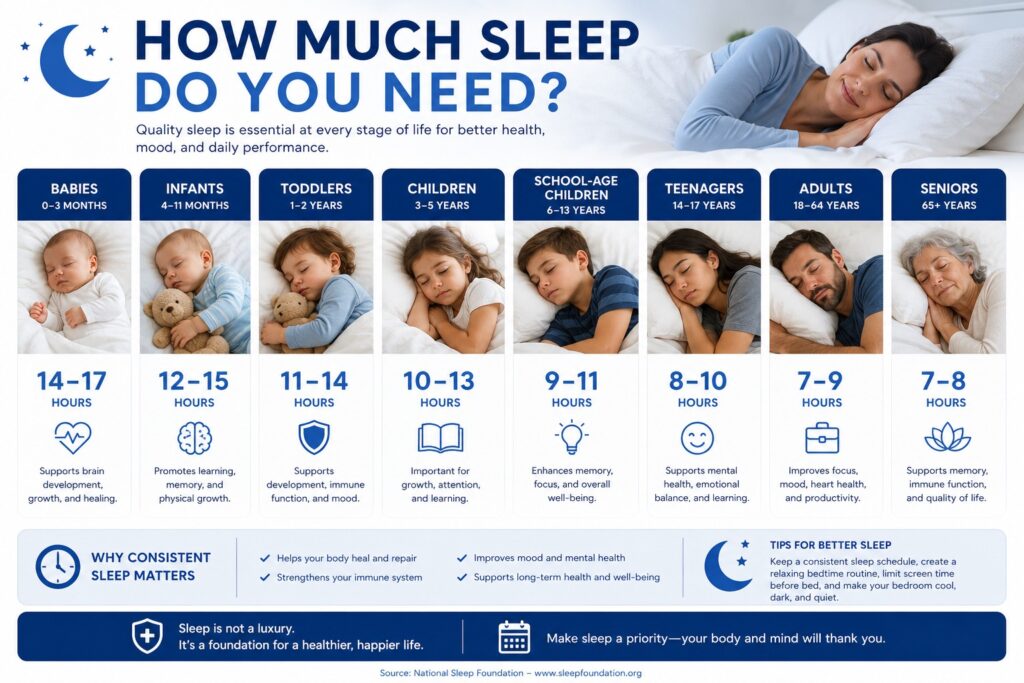
- Getting 7 to 9 hours of quality sleep per night
- A consistent sleep schedule (going to bed and waking up at the same time every day)
- Limiting screen time (phone, laptop, etc.) before bed
- Avoiding caffeine (tea, coffee, energy drinks) late at night
- Creating a comfortable, dark sleep environment (cool room, quiet, and comfortable bed)
Final Thoughts
For a long time, I thought that better skin meant buying expensive creams, serums, and skincare products.
But when I got to the bottom of it, I realized that healthy, glowing skin starts much earlier than my skincare routine. It starts with sleep.
As I focused on improving the quality of my sleep, I gradually began to see improvements—not just in my skin, but also:
- Increased energy
- Improved mood
- Improved focus and mental clarity
And most importantly, a noticeable difference in my overall appearance and skin’s freshness.
Sleep won’t magically fix every problem you have. But it does give your body the precious time it needs to repair, restore, and function properly.